Picking a Ceramic Keepsakes Provider in Long Eaton
Find Out More →If you're about to pick a ceramic keepsakes provider in Long Eaton, the difference between a genuinely skilled maker and someone just going through the motions can be pretty stark. And it matters more than you might think, especially when what you're commissioning is something you want to keep forever.
So here's what actually separates the good ones from the rest—and how to spot them before you hand over your money.
What should you actually look for?
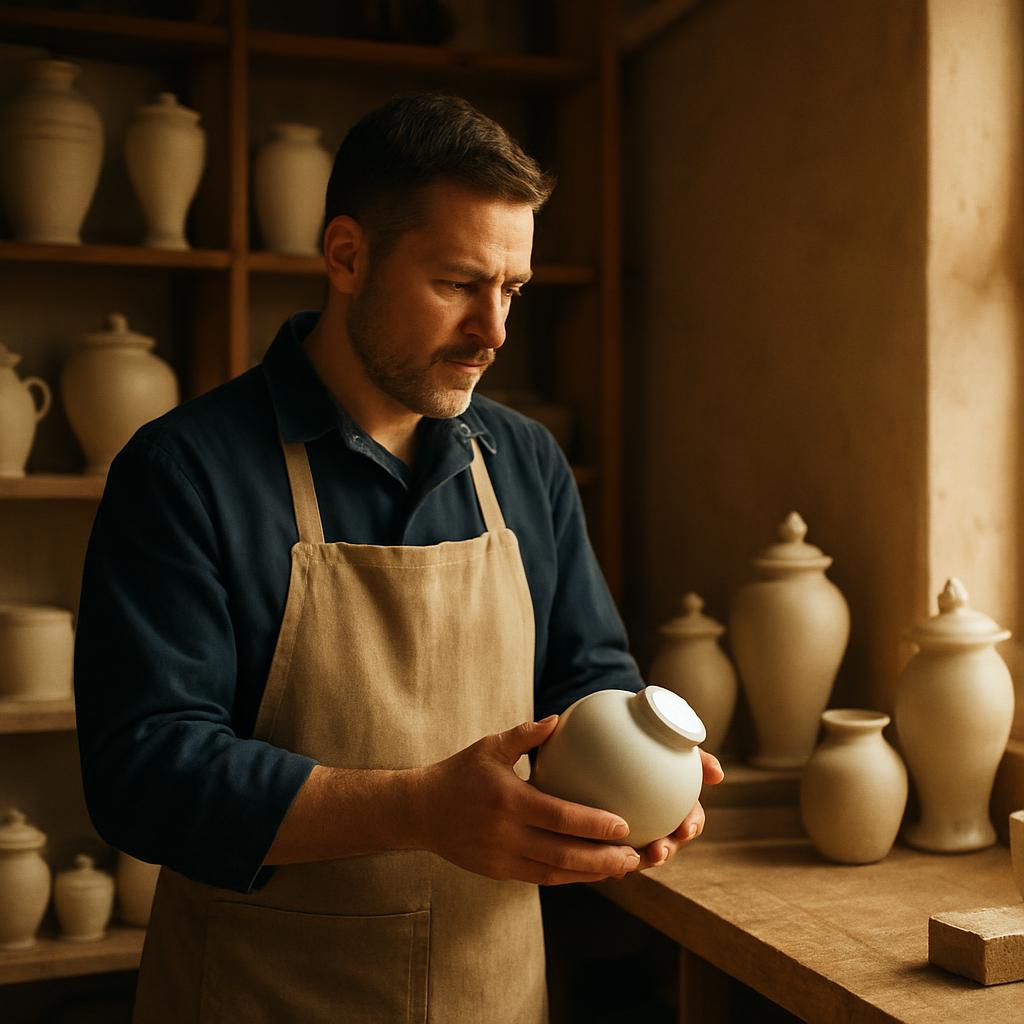
Start with portfolio work. A decent ceramic keepsakes provider will have clear examples of past commissions—photos that show detail, finish quality, and the range of what they can do. Look at the surfaces. Are edges clean? Does the glaze sit evenly? Can you see actual care in the work, or does it feel rushed?
Ask about their process, too. How do they handle custom requests? Do they offer design consultation, or do they just take your brief and run with it? A provider worth their salt will ask questions back—about what the piece means to you, what finish you prefer, how you plan to display it. That conversation tells you whether they're thinking about your keepsake as a genuine commission or just another job.
Materials matter as well. What clay bodies do they use? Are the glazes food-safe if needed? Do they fire in a kiln they control themselves, or send work elsewhere? These aren't pedantic details—they affect longevity and quality. Ask them straight. Honest makers are happy to explain.
What are the red flags?
If someone's unwilling to show you examples of finished work, that's your first warning. So is vagueness about timescales. Ceramic keepsakes take time—clay needs to dry properly, kilns have schedules—and anyone promising a quick turnaround without knowing what you're asking for is cutting corners somewhere.
Watch out for providers who don't seem interested in your actual vision. If they're pushing you toward what they usually make rather than listening to what you want, they're making it easier for themselves, not better for you. Similarly, if they can't or won't discuss pricing clearly upfront, that's a sign things might get complicated later.
Avoid anyone who won't put terms in writing. A simple email outlining what you're commissioning, the cost, and the timeline is standard practice. If they're dodgy about that, move on.
How do you know if the price is fair?
Ceramic keepsakes aren't cheap—and they shouldn't be. You're paying for skill, materials, kiln time, and the maker's experience. A handmade piece takes hours, sometimes days, from start to finish. If someone's quoting you a suspiciously low price, ask why. Are they using cheaper materials? Cutting corners on finishing? Working so fast they can't guarantee quality?
Fair pricing depends on complexity, size, and customization. A simple piece will cost less than something intricate with custom glazing or detailed surface work. Get a few quotes if you're unsure what's standard—it'll give you a sense of the range. But don't pick the cheapest option just because it's cheap. You're commissioning something you want to last.
As we covered in our guide on getting real value from ceramic keepsakes, the real measure isn't what you spend initially—it's what you're left with when it's done.
So what makes Ceramic Keepsakes Long Eaton different?
They're local, which matters. You can actually visit, see the work in progress if you want, and sit down and talk through what you're after face-to-face. That makes a difference when you're commissioning something personal.
They take time with design consultation. They'll ask about your vision, about the piece's purpose, about how you want to feel when you look at it years from now. That conversation shapes the final result, and it shows they're thinking beyond just the technical execution.
The quality of finished work speaks for itself. Clean surfaces, even glazing, careful attention to detail—the kind of thing you notice not because it's flashy, but because it's clearly been made well. And they're transparent about process, materials, and timeline. You know what you're getting and when.
If you're timing a commission around a specific date—a birth, an anniversary, a milestone—check their guide on booking timescales to make sure you're ordering with enough lead time. And if you're thinking about displaying your piece once it's done, this article explains how to make the most of your keepsake.
The bottom line: don't rush the choice. A ceramic keepsake is something you'll have for years, maybe decades. It deserves a maker who understands that. Ceramic Keepsakes Long Eaton gets it. If you're ready to start, reach out to them with your idea—they'll take it from there.
Looking for Ceramic Keepsakes near Long Eaton?
We have secure, flexible units available in the area. Get in touch with Ceramic Keepsakes Long Eaton today.
Find Out More →